






Motorcycles have surged in popularity over the last few years, and with this increase in riders both fatal and non-fatal accidents have been on the ride.  There are several basic steps that motorcycle riders can take to ensure that they stay safe on the roads.  Proper training, licensing, and protective gear can help, as can watching your speed and making sure you don’t drink and ride.  In the unfortunate event that you or somebody you love are involved in a motorcycle accident, please contact Dulaney, Lauer & Thomas immediately.  We will work with you to ensure that you are treated fairly and that you get the compensation you deserve.

Practice Areas

Blog

view all

Firm News

  • Virginia Trooper Saves Man From Burning Car
  • Five injured in four-car Fairfax crash
  • Government upgrades investigation of 2002-2003 Jeep Liberty
  • Truck wreck ties up U.S. 29 traffic
  • Court reinstates ruling in motorcycle accident wrongful-death suit
  • Prosecutors Want Teen Tried as Adult in DWI Crash
  • Tests Link Casings from Va. Highway Shootings, Suspect
  • Five killed in wrecks on Virginia roads
  • Man injured after getting trapped by toppled rail car
  • Car Crash Deaths Increase Starting At Age 12
  • view all

    Library

    Car Accidents & Injuries

    Tractor Trailer Accidents

    Drunk Driving Accidents

    Uninsured Motorist Claims

    Motorcycle Accidents

    Insurance Claim Denials

    Virginia Workers Compensation

    Construction Accidents & Injuries

    General

    view all

    Motorcyclists – How to Protect Yourself on the Road

    Motorcycle riding can be exhilarating – but it can also be very dangerous, and not because of anything you do wrong. Very often it is the actions of other motorists that cause motorcycle accidents, and roadway design or faulty parts can also be a factor. However, there are some steps that you can take to make sure that you protect yourself as much as possible on the road.

    The main reason that motorcyclists are killed in crashes is because a motorcycle provides very little protection in an accident. Unlike cars, there are no restraint systems, airbags, or reinforced structures to absorb the bulk of the impact. Having two wheels also makes motorcycles much less stable than four wheeled passenger vehicles, and maneuvers that won’t cause a car to crash will cause a motorcycle to crash.

    The small size of motorcycles when compared to trucks and other vehicles on the road also means that motorcycle riders are uniquely vulnerable. Injuries are often more serious, requiring extensive medical care and longer hospitalization. If you’re unlucky enough to be involved in an accident, this can translate to a loss of productivity and a decrease in your future earnings. These are heavy prices to pay for an accident that could have been avoided. The best way to steer clear of all these problems is to avoid getting injured in the first place. Granted, you can’t avoid every danger or make other drivers respect your rights to share the road, but you can take a few steps to improve your own safety.

    Adjust your attitude about safety

    The statistics are enough to make any motorcycle rider realize that safety is a serious issue – one that does not get enough attention in the riding community. Increased popularity in motorcycle riding has meant that injuries and deaths from motorcycle accidents are on the rise. The number of fatal motorcycle accidents has risen every year since 1997, and since 1999 the number of motorcycle accident injuries has increased every year to a current high of 88,000.

    These statistics aren’t meant to scare anyone away from riding – rather, they are intended to encourage all riders to take motorcycle safety more seriously. There is a lot that a rider can do to improve their chances on the road.

    Get Trained

    Many states have motorcycle safety classes, which sometimes aren’t mandatory but are a good idea. Virginia offers a Rider Training Program, and there are a number of private companies that offer training as well. A good training program will teach you how to ride a motorcycle safely and will prepare you for what to expect out on the road – especially how to deal with traffic and other unexpected situations. Some insurance companies will even discount your insurance premium if you attend an in-depth training class.

    Get Licensed

    Riding without a license means you never passed a test intended to evaluate your motorcycle knowledge and skills – information that could potentially save your life. About a quarter of riders involved in fatal accidents were found to be riding without a valid license when they were killed. Riding without a valid license has also been linked to other risky behaviors – riders without a license were also more likely to have a previous speeding conviction, prior DWI, previous accidents, and a previous license suspension or revocation. Making sure you have the right training and the right licensing is one step towards ensuring that you understand the importance of safety and can practice what you know on the road.

    Slow Down

    According to the National Highway Traffic Safety Administration (NHTSA), 36% of all fatal motorcycle crashes involved speeding – this is about twice as high as the rate for fatal automobile accidents. So this advice is simple – slow down and enjoy the ride!

    Don’t Drink and Ride

    Motorcycle riders are 31% more likely than drivers of passenger vehicles to die in an accident while intoxicated – and surprisingly, young riders aren’t the only ones who are dying from drinking and riding. Older riders have a greater chance of being involved in a fatal accident while intoxicated. The percentage of riders fatally injured in an accident with a BAC equal to or above .08 is highest in the 35 to 39 age group, followed by the 40 to 44 and then the 45 to 49 age groups. Not surprisingly, intoxicated drivers are more likely to be involved in a fatal accident at night – especially weekend nights. Drinking can also impair judgment and exacerbate other risk taking behaviors, as studies have found that intoxicated riders are far more likely to speed and ride without a helmet than sober riders. If you’re going out for a night on the town or just having a few drinks – make sure you have a way to get home that does not involve getting on your bike.

    Wear Protective Gear

    There are more grim statistics that have been collected by NHTSA about motorcyclists who ride without helmets and other protective gear. Without a helmet, you’re three times more likely to suffer a brain injury in an accident. It’s estimated that 37% of unhelmeted riders killed in accidents would have survived if they’d been wearing a helmet, and 67% would have avoided a brain injury. With statistics like these, it’s easy to understand why so many states have mandatory helmet laws. In our area, Virginia, Maryland, and Washington D.C. all have mandatory helmet laws for motorcycle operators and passengers.

    If you really want to be safe, consider this list from the NHTSA – they recommend that all motorcycle operators and passengers use the following personal protective gear:
    • Motorcycle helmets that meet FMVSS No. 218

    • Proper clothing (preferably retroreflective), including gloves, boots, long pants, and a durable long-sleeved jacket

    • Eye and face protection


    Hopefully these tips will provide you with some basic ideas for what you can do to stay safe on the roads while riding your motorcycle. In a future article, we’ll explore what can be done by federal and state authorities and other motorists to make your ride as safe and enjoyable as possible.


    The attorneys at Dulaney, Lauer, and Thomas, LLP are concerned about your safety and want you to enjoy riding your motorcycle for many years to come. If the worst happens and you or somebody you love is involved in a serious motorcycle accident, please contact us immediately. We are a Virginia based practice and can help you recover from the devastating effects of a motorcycle crash and help you get the compensation you deserve.

    DULANEY, LAUER & THOMAS, LLP

    Warrenton Office
    98 Alexandria Pike, Suite 11
    Warrenton, VA 20186
    Toll Free: 888.907.2631
    Local: 540.349.2631

    Culpeper Office
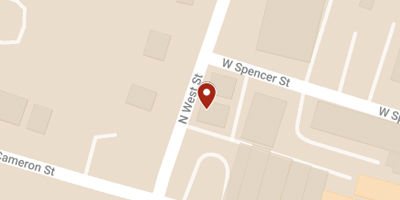
    209 N. West Street
    Culpeper, VA 22701
    Toll Free: 800.741.1012
    Local: 540.825.6046

    Quick Contact

    Name:

    Phone:

    Email:

    Tell us more:


    Dulaney, Lauer & Thomas, LLP
    98 Alexandria Pike
    Suite 11
    Warrenton, VA 20186

    Phone: 888-907-2631

    DULANEY, LAUER &
    THOMAS, LLP


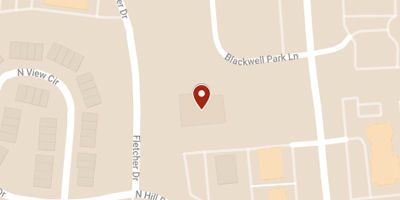
    Warrenton Office
    98 Alexandria Pike
    Suite 11
    Warrenton, VA 20186
    Toll Free: 888.907.2631
    Local: 540.349.2631
    Get Directions

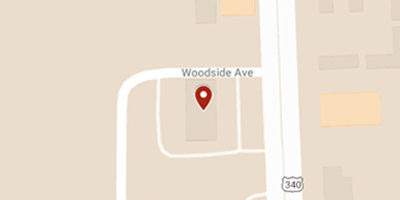
    Culpeper Office
    209 N. West Street
    Culpeper, VA 22701
    Toll Free: 800.741.1012
    Local: 540.825.6046
    Get Directions

    Our Attorneys

  • Richard A. Dulaney
  • Carl N. Lauer
  • Andrew K. Thomas
  • view all

    Resources

    FAQ

    Car Accidents & Injuries

    Uninsured Motorist Claims

    Insurance Claim Denials

    Construction Accidents & Injuries

    General

    view all