








The attorneys of Dulaney, Lauer & Thomas represent injured people. The first time we usually meet our clients, it is just after an insurance company has denied their claim. These injuries are sustained in car, truck and motorcycle accidents; work-related accidents; slips and falls; and other circumstances of negligence.
If your claim has been denied or limited, or you are facing unreasonable delays or other problems with the insurance claims process, we can help by evaluating your claim and determining if you are being treated fairly. In Warrenton, Culpeper, Prince William, Loudoun, Fauquier and throughout Virginia, contact our offices today if you have concerns about your injury claim.
If you’re planning on getting in a car accident any time soon in which you or a loved one may be severely injured or killed, try to time it so that it coincides with a day when the economy is strong and Wall Street’s markets are on the rise. Your chances of getting a fair settlement from your insurance company are much better if their stock portfolios are doing well.
Sounds insane, right? But each day, the fate of injury victims across the nation is determined not by their health, but by the financial health of insurance companies. How well (or poorly) your insurance company responds to your financial and medical needs in the wake of a traumatic injury – whether the claim involves a car, motorcycle, or truck accident, slip and fall, or any other type of personal injury – is dictated almost entirely on how well the insurance company’s stocks performed during the previous fiscal quarter. If an insurance company’s stock dividends are up, then they won’t resist an injury claim as vigorously as they would if stocks were down. If they’re down, that’s bad news for them, but even worse news for the injured.
So what does the DOW Jones have to do with the settlement you are seeking for your daughter’s brain injury? The short answer is, “Everything.” What follows is the long answer.
Virtually every American requires some type of personal insurance today, and most of us pay for several different types of insurance every year, including health, automobile, life, and home insurance. In their lifetimes, the majority of Americans pay their insurance companies many times more than they’ll ever receive in coverage. Most of us have accepted that trade-off as simply a cost of living in modern times. And indeed, if it is ever needed, insurance can truly be priceless, providing policyholders with the ability to obtain quality healthcare and recover from severe illnesses or injuries without the fear of losing their homes, their assets, their income or the quality of their lives.
However, one question most Americans don’t ask is what insurance companies actually do with the massive surplus of billions of dollars they collect each year in premiums. What they do with it is invest. Collectively, the insurance industry is by far the largest investor on Wall Street, buying up shares in blue chip stocks, mutual funds, venture capital, and residential and commercial loans, and turning the profits of their premiums into much larger dividends through careful, studied and highly lucrative investments.
Since at least the 1970s, the insurance industry’s earnings and losses on Wall Street have largely dictated the loyalty it exhibits to policyholders. A sustained period of economic growth (or “bull market”) translates to lower rates across every category of insurance, from lower health insurance rates for employees to lower medical malpractice insurance rates for doctors and healthcare professionals.
For example, during the late 1990's (when markets were high), medical malpractice insurance rates were a small fraction of what they cost today. Because interest rates were higher and returns on stock investments were soaring, insurance companies could afford to break even (or even sustain losses) on their insurance rates. During bull markets, insurance companies typically focus on growing and retaining their customer base by offering lower, more competitive rates, and posing less legal resistance to reasonable claims against their policies. The reason for this is simple: they can overwhelmingly afford to do so.
During a bear market (such as the early 00's), the insurance industry reverses course, raises rates steeply, and follows a strict policy of “deny first, apologize later” across all policy types. And last but not least, insurance companies call in their markers on the hefty political contributions they make, urging their political supporters to do everything they can to change the law to favor their agenda and protect their profits.
We have fought numerous wrongful insurance claim denials, whether the case involve personal injury, wronful death, auto and trucking acciddents, uninsured motorist coverage, or even life insurance benefits. If you think that your particular claim has been denied in bad faith, contact us.
Description: Corporate America and the Insurance Industry Are After More Than Just Your Money. They want to take away your rights, knowing they can make even higher profits by keeping honest, hardworking Americans out of the courtroom. FIGHT BACK by sending a letter to Congress and telling your Representatives to fight for regular Americans, not Big Business.
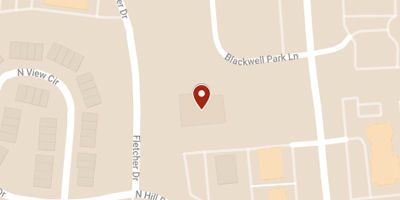
Dulaney, Lauer & Thomas, LLP
98 Alexandria Pike
Suite 11
Warrenton, VA 20186
Phone: 888-907-2631
DULANEY, LAUER &
THOMAS, LLP
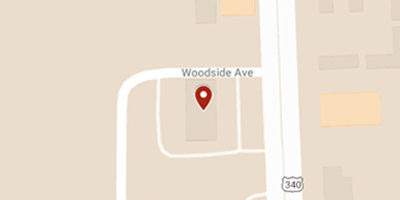
Warrenton Office
98 Alexandria Pike
Suite 11
Warrenton, VA 20186
Toll Free: 888.907.2631
Local: 540.349.2631
Get Directions
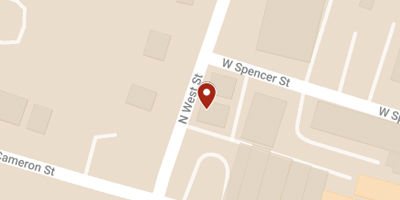
Culpeper Office
209 N. West Street
Culpeper, VA 22701
Toll Free: 800.741.1012
Local: 540.825.6046
Get Directions